Short-Circuit Analysis:
Short-circuit analysis is one of the most critical studies in electrical engineering and power system design. It determines how electrical networks behave under fault conditions and compliant equipment.
What Is Short-Circuit Analysis?
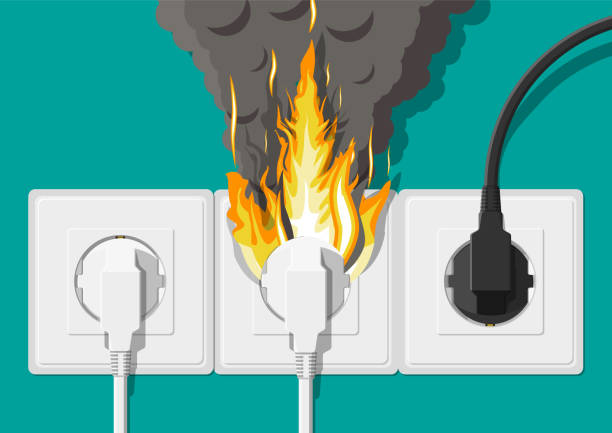
A short circuit occurs when an unintended low-resistance path forms between phases or between a phase and ground. This causes extremely high current that can damage equipment and pose safety hazards.
Common causes include:
- Cable insulation failure
- Equipment breakdown
- Loose connections
- Moisture or dust accumulation
- Human error during maintenance
A short-circuit can lead to:
- Thermal damage
- Mechanical stress
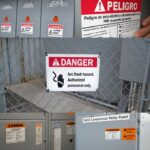
- Arcing faults
- Fire hazards
- System blackouts
Why Short-Circuit Analysis Is Important
Short-circuit analysis make critical decisions for system safety and reliability. The key objectives are:
- Determine Maximum Fault Current
Used for selecting:
- Circuit breakers
- Switchgear
- Transformers
- Cables
- Busbars
- CTs and VTs
- Determine Minimum Fault Current
Ensures:
- Relays detect faults
- No “protection blind zones”
- Fast fault clearing
- Verify Equipment Withstand and Breaking Capacity
Short-circuit levels must not exceed:
- Thermal withstand limits
- Dynamic withstand limits
- Rated breaking capacity
Types of Faults Considered in Short-Circuit Analysis
Short-circuit studies evaluate different fault scenarios:
- Three-phase fault (L-L-L)
- Single line-to-ground fault (L-G)
- Line-to-line fault (L-L)
- Double line-to-ground fault (L-L-G)
- Three-phase-to-ground fault
Outputs of a Short-Circuit Study
A complete short-circuit report includes:
- Maximum and minimum fault currents at every bus
- Asymmetrical and peak currents
- Breaker interrupting duty check
- Busbar thermal and mechanical strength verification
- Cable thermal withstand calculations
Conclusion
Short-circuit analysis is the backbone of safe electrical system design. It ensures correct equipment selection, reliable relay operation, and compliance with industry standards.