Relay Coordination – Part 3
This part explains coordination of transformer and motor protection in power systems.
Proper coordination ensures selective fault clearance and safe operation.
Need for Protection Coordination
Transformers and motors are critical equipment in electrical systems.
Any fault or abnormal condition can cause serious damage.
Therefore, protection must be properly coordinated with upstream and downstream devices.
Transformer Protection Coordination
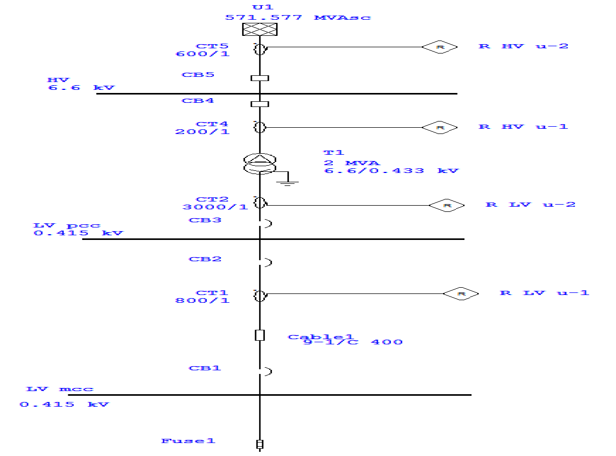
Transformers require multiple protection functions. These protections must work together without overlap.
Common transformer protection includes:
Overcurrent protection
Differential protection
Ground fault protection
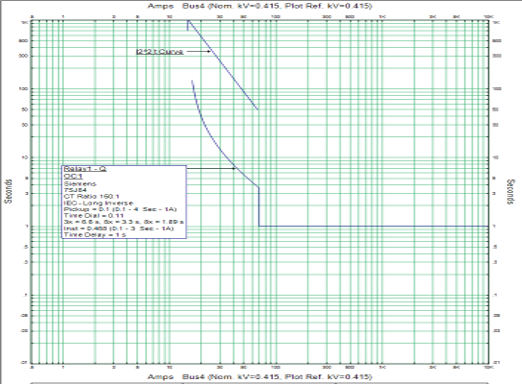
Overcurrent protection provides backup for external faults. However, it must not operate during magnetising inrush or normal loading.
Differential protection acts for internal faults. It operates instantaneously and does not require time coordination.
Ground fault protection sensitivity depends on the earthing method. It must be coordinated with feeder protection.
Motor Protection Coordination
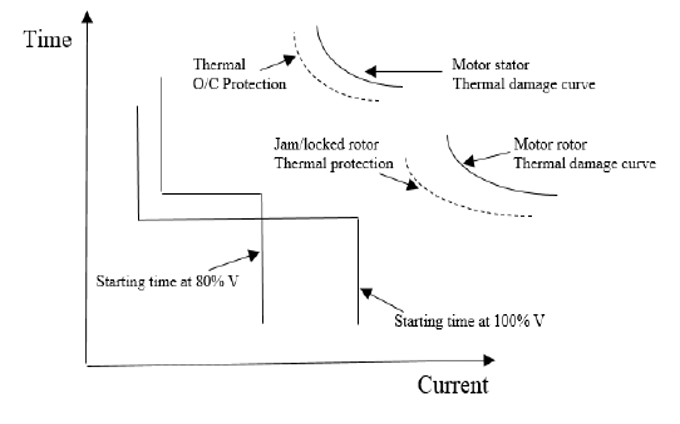
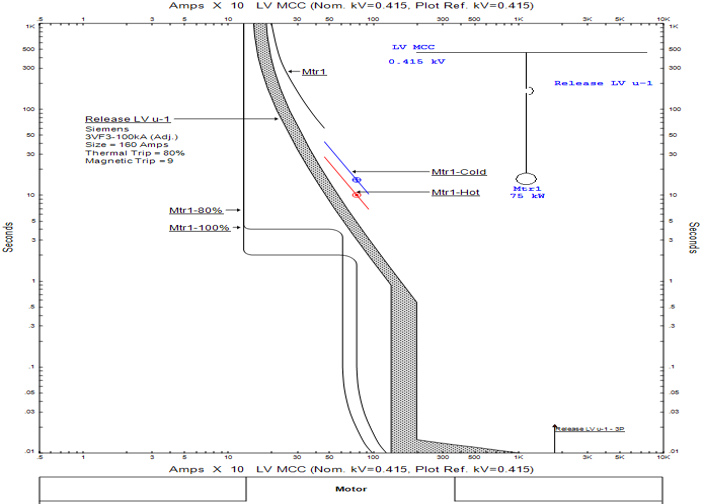
Motors draw high current during starting. Hence, protection settings must consider starting conditions.
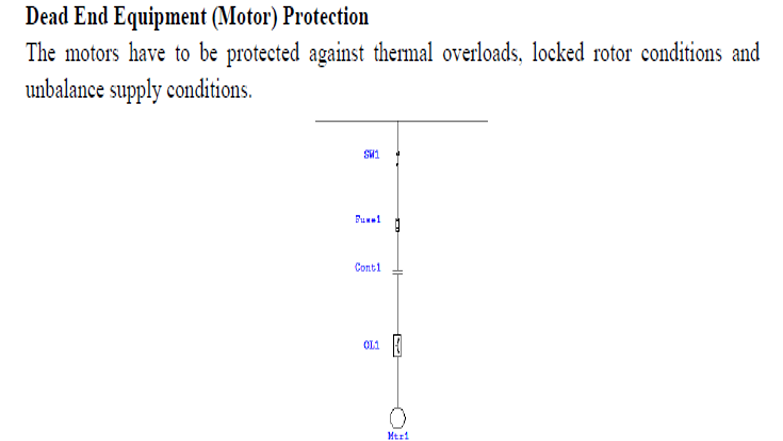
Motor protection generally includes:
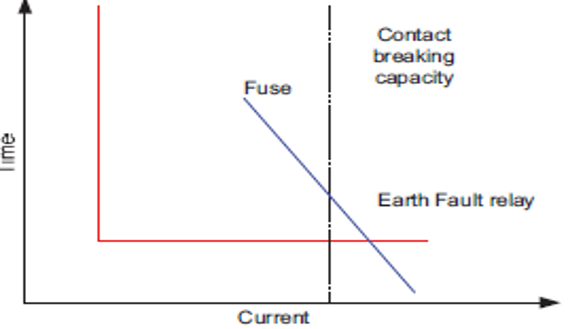
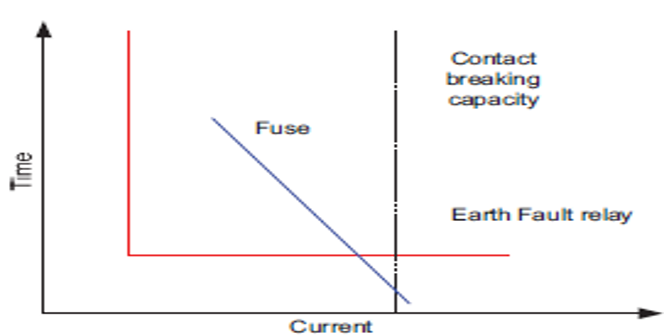
Short-circuit protection must operate fast. However, it should not trip during motor starting.
Thermal protection protects the motor against overheating. It operates with time delay based on motor characteristics. Ground fault protection is set with lower pickup.
Coordination with Upstream Protection
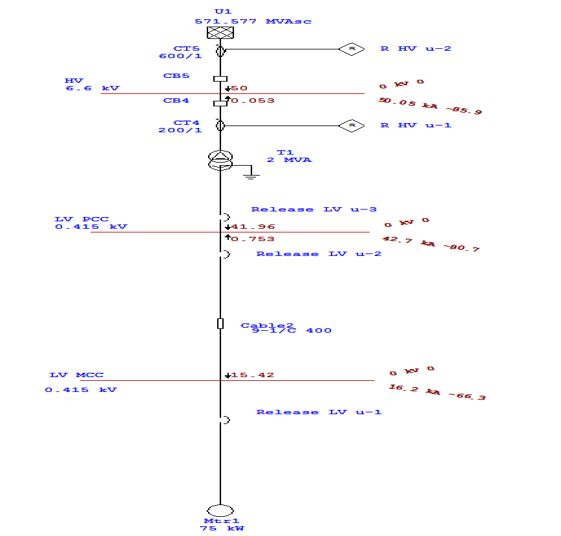
Transformer and motor protection must coordinate with upstream feeders. The downstream device should trip first.
Upstream protection acts only as backup. Adequate time margin must be maintained.
This ensures selectivity and system stability.