Transient Stability Analysis
Dynamic Power System Study is performed to evaluate system stability and dynamic performance during faults, switching events, and sudden load or generation changes.
The main purpose of this study is to make sure that generators and the electrical network can return to normal operation after the disturbance is cleared.
What Is Transient Stability?
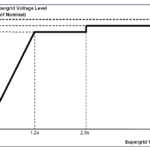
This Dynamic Power System Study ensures compliance with grid codes and confirms that the power system remains stable under dynamic disturbances.
When a fault or major switching event happens, the balance between generation and load gets disturbed. This causes generators to speed up or slow down. Transient stability analysis checks whether the generators can regain balance within a short time.
If the system fails to recover, generators may go out of step, leading to partial or complete power failure.
Why Transient Stability Analysis Is Needed
Transient stability analysis is required to:
Check whether generators remain in step with the grid
Ensure faults are cleared within acceptable time
Prevent system collapse and blackouts
Meet utility and grid code requirements
Study the impact of large generators and renewable sources
Improve overall system reliability
This study is important for both conventional and renewable power systems.
How Transient Stability Analysis Is Done
Transient stability analysis is carried out using time-based simulations.
The process includes:
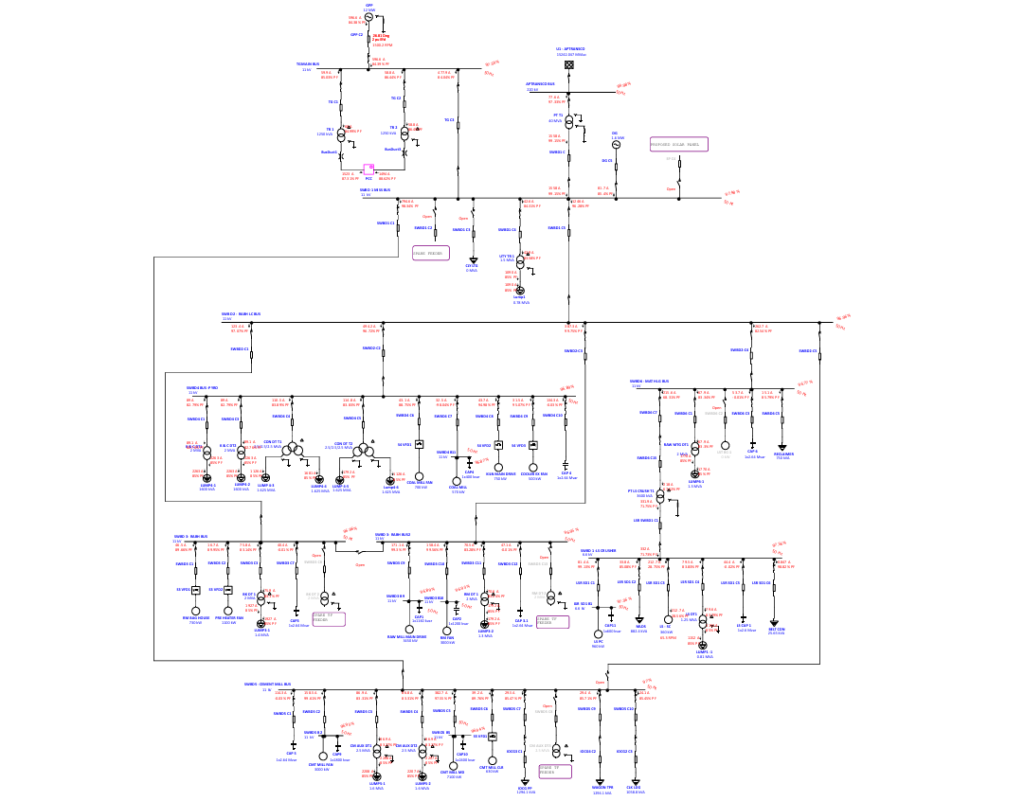
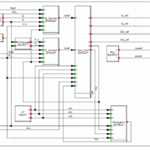
Creating a detailed power system model
Applying a disturbance at a selected location
Clearing the fault through protection systems
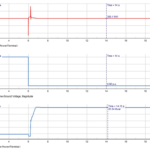
Observing system behaviour for a few seconds
Checking whether the system returns to normal condition
If the system settles down after the disturbance, it is considered stable.
Parameters Checked During the Study
The following parameters are analysed:
Generator rotor angle variation
Speed and frequency deviation
Voltage recovery at important buses
Active and reactive power changes
Time taken to regain steady condition
Conclusion
This Dynamic Power System Study helps identify stability risks and recommends control tuning, protection improvements, and mitigation measures to maintain reliable operatio