
Motor Starting Study
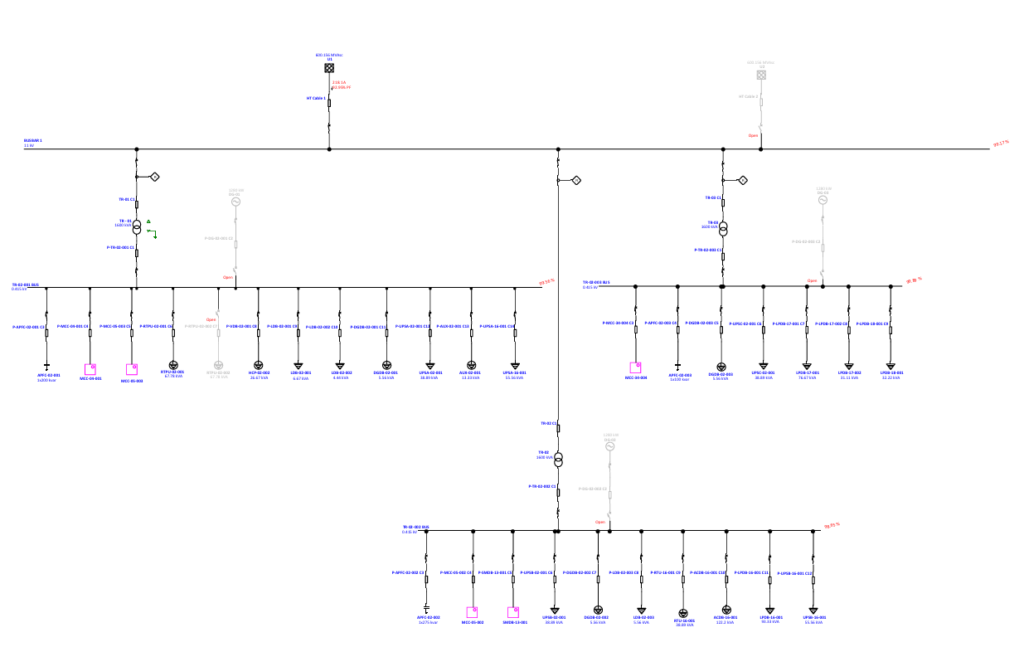
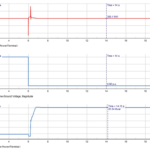
Voltage dip analysis is performed to evaluate voltage drop during motor starting and to ensure stable system operation.
A Motor Starting Study to check whether the motor can start smoothly without causing problems like excessive voltage drop, tripping of breakers, or disturbance to other loads.
What Happens When a Motor Starts?
At the moment of starting, the motor is at zero speed. To reach its rated speed, it needs extra energy. Because of this:
- The motor draws 6 to 8 times its full-load current
- Voltage may dip on the electrical bus
- Other motors and equipment may slow down or flicker
- The motor may take longer to accelerate if the voltage becomes too low
Without proper analysis, this can lead to failed starts or nuisance tripping.
Why Do We Carry Out a Motor Starting Study?
A Motor Starting Study helps to understand the impact of starting large motors on the electrical system. It tells us:
- How much voltage drop will occur during starting
- Whether the motor will accelerate properly or stall
- If other equipment will get affected
- Whether protection relays will trip during inrush current
- Whether the transformer or generator is capable of handling the starting load
- Which starting method is most suitable (DOL, star-delta, soft starter, VFD, etc.)
With this study, the system can be designed to avoid operational issues.
Motor Starting Methods
Different methods are used depending on system strength and motor rating:
- Direct-On-Line (DOL): Simple, but highest inrush current
- Star–Delta: Reduces starting current to one-third
- Soft Starter: Smooth and controlled starting
- VFD: Best option for large motors; lowest starting current
- Auto-transformer Starter: Used when starting current needs to be limited
Acceptable Voltage Drop During Starting
- MV motors: 15–20% voltage dip
- LV motors: 10–15%
- Sensitive loads: Below 5–6%
If the voltage dip is higher than these limits, other loads may get affected and the motor may not start.
Common Problems Found in Motor Starting Studies
- Motor not picking up speed
- High voltage drop on the bus
- Breakers or relays tripping during start
- Overloading of transformer or generator
- Long starting time leading to overheating
Conclusion
This Voltage dip analysis report helps verify voltage dip limits and recommends mitigation measures to avoid equipment trips.