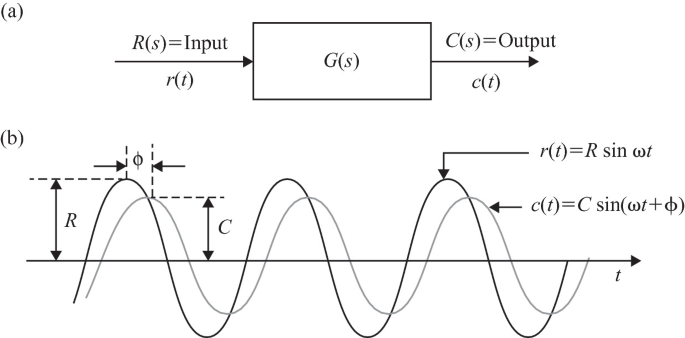
What is Frequency Response Analysis?
Frequency Response Analysis is a power system study used to understand how an electrical network reacts to changes in system frequency. These changes usually occur due to sudden loss of generation, sudden load variation, or network disturbances.
The study whether generators, renewable plants, and energy storage systems can support the grid during frequency fluctuations and maintain system stability.
Why Frequency Response Analysis is Important
Power system frequency shows the balance between power generation and power demand. Any imbalance causes the frequency to increase or decrease. If this is not controlled within limits, it may result in equipment tripping, system instability, or large-scale outages.
Frequency Response Analysis is carried out to:
Check system performance during frequency disturbances
Assess grid stability and security
Verify compliance with grid code requirements
Evaluate generator and inverter response behaviour
The following aspects are reviewed as part of the study:
- Frequency Deviation
- Rate of Change of Frequency (RoCoF)
- Primary Frequency Response
- Frequency Recovery
Typical Disturbance Scenarios
Frequency Response Analysis considers scenarios such as:
Sudden loss of a generator
Sudden increase or reduction in load
Transmission line tripping
Fluctuations in renewable generation
Islanding of part of the network
Benefits of Frequency Response Analysis
Improve overall grid reliability
Reduce the risk of system collapse
Validate control and protection settings
Support grid code compliance
Improve planning and operational decisions
Conclusion
Frequency Response Analysis plays a key role in ensuring safe and stable operation of power systems. The system weaknesses and confirms the ability of generators and renewable plants to support grid frequency.