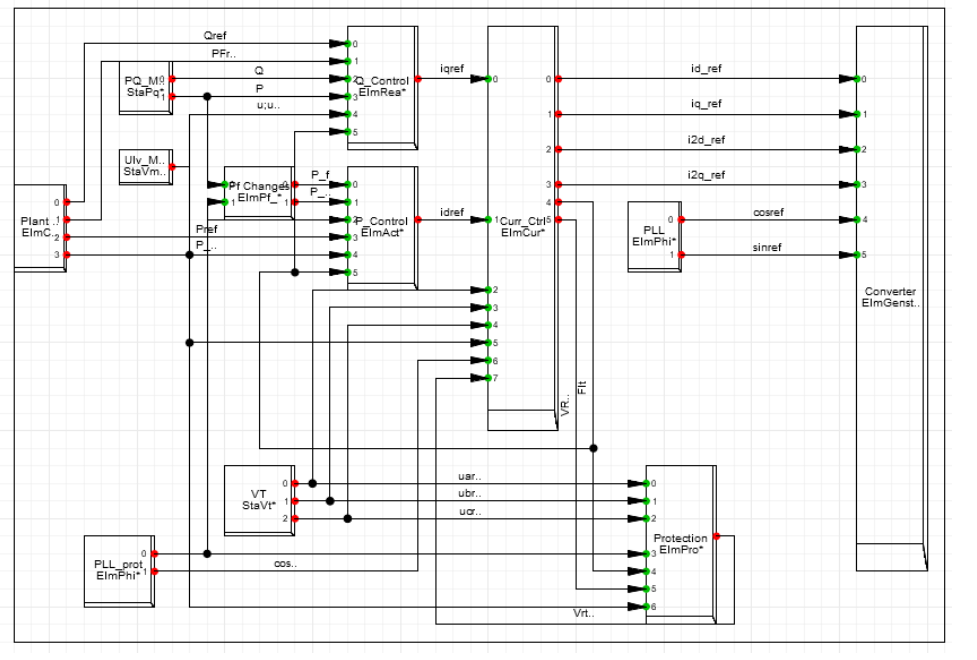
Power Plant Controller Design
Power Plant Controller Design plays a critical role in ensuring grid stability and regulatory compliance in modern power systems. A well-engineered Power Plant Controller Design strategy enables power plants to manage active power, reactive power, voltage regulation, and frequency response effectively.
As renewable integration increases and grid codes become more stringent, Power Plant Controller Design becomes essential for reliable and stable plant operation.
What is a Power Plant Controller?
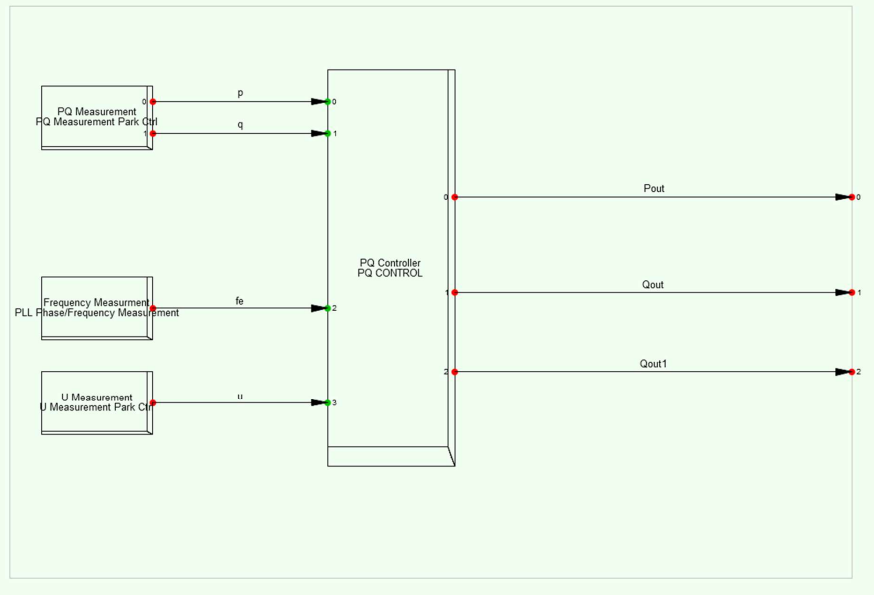
A Power Plant Controller is a supervisory control system that manages and coordinates the operation of multiple generating units within a power plant. The Power Plant Controller ensures that the plant meets grid operator requirements for power output, voltage control, and system stability.
Active power control
Reactive power control
Voltage regulation
Frequency response
Power factor management
The PPC acts as the interface between the plant and the grid, continuously monitoring system parameters and adjusting plant output accordingly.
Why is PPC Design Important?
Modern power systems demand strict compliance with grid codes. Without a properly designed PPC, a power plant may face:
Voltage instability
Reactive power imbalance
Grid non-compliance penalties
Reduced system reliability
Poor dynamic performance during disturbances
A well-designed PPC ensures smooth operation under steady-state and transient conditions.
Key Functions of a Power Plant Controller
1. Active Power Control
The PPC regulates total plant output to match dispatch instructions from the grid operator. It distributes load commands among individual generating units efficiently.
2. Reactive Power and Voltage Control
The controller maintains voltage levels at the point of interconnection (POI). It manages reactive power injection or absorption to meet grid requirements.
3. Frequency Support
During frequency deviations, the PPC supports primary and secondary frequency response functions, depending on grid code requirements.
4. Ramp Rate Control
The PPC controls the rate at which plant output increases or decreases. This prevents grid disturbances caused by sudden power fluctuations.
5. Fault Ride-Through (FRT) Support
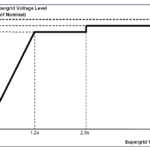
The system ensures compliance with Low Voltage Ride Through (LVRT) and High Voltage Ride Through (HVRT) requirements during grid faults.
Conclusion
A well-designed Power Plant Controller improves grid stability, ensures compliance, and enhances plant performance. As grid complexity increases, the role of the Power Plant Controller becomes even more critical for reliable and future-ready power systems.