
Voltage Dip Analysis

Motor Starting Study Voltage dip analysis is performed to evaluate voltage drop during motor starting and to ensure stable system operation. A Motor Starting Study to check whether the motor can start smoothly without causing problems like excessive voltage drop, tripping of breakers, or disturbance to other loads. What Happens When a Motor Starts? At […]
ARC FLASH ANALYSIS
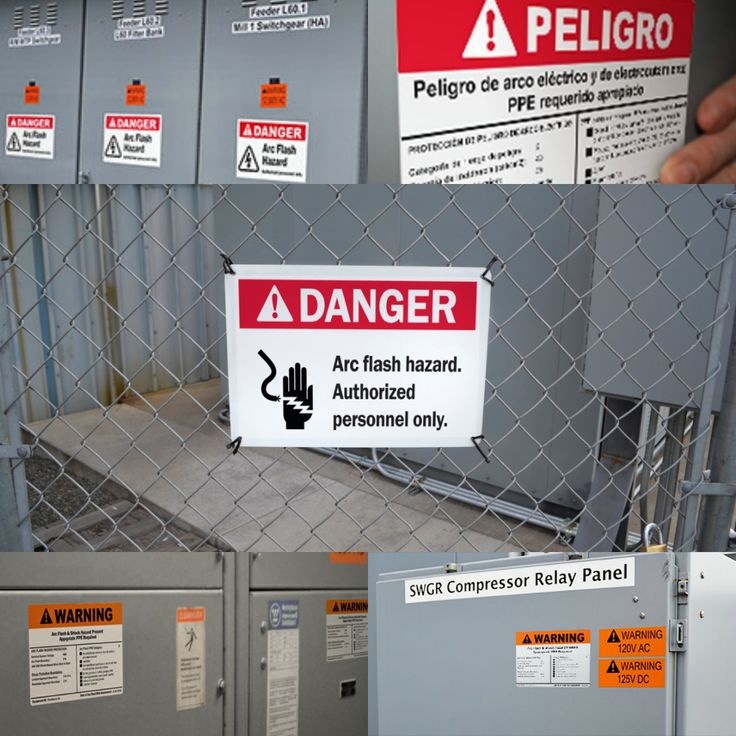
Arc Flash Analysis Arc Flash Analysis is an essential electrical safety assessment used to identify arc flash hazards and determine incident energy levels in power systems. This study improves worker safety by defining PPE requirements, setting safe working boundaries, applying warning labels, and recommending risk reduction measures to minimize injuries and equipment damage. Arc Flash […]
Short Circuit Analysis
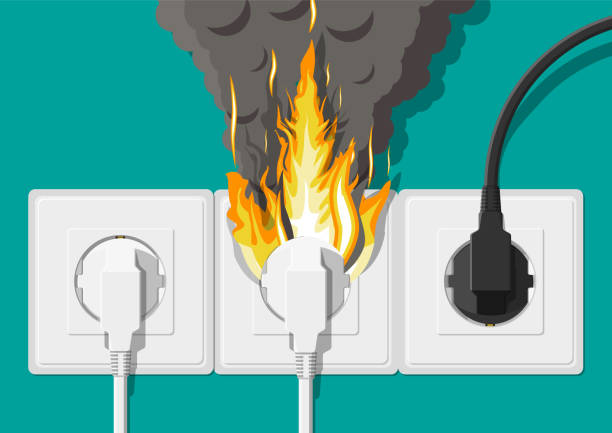
Short Circuit Analysis Services Short Circuit (Fault Level) Analysis is a critical electrical engineering study used to calculate short-circuit current levels in a power system. The results help engineers select correctly rated equipment, confirm protection performance, and ensure the overall system operates safely in compliance with applicable standards such as IEC 60909 and IEEE/ANSI methods. […]
Electrical Load Flow Study | SEN Electrical Design System

Electrical Load Flow Study Electrical Load Flow Study is an essential power system analysis used to evaluate voltage levels, real and reactive power flow, and system losses under steady-state operating conditions. This study helps engineers design reliable electrical networks, maintain voltage stability, and ensure compliance with grid and utility requirements. Load flow analysis provides a […]
FAULT ANALYSIS IN PER UNIT SYSTEM PART -II
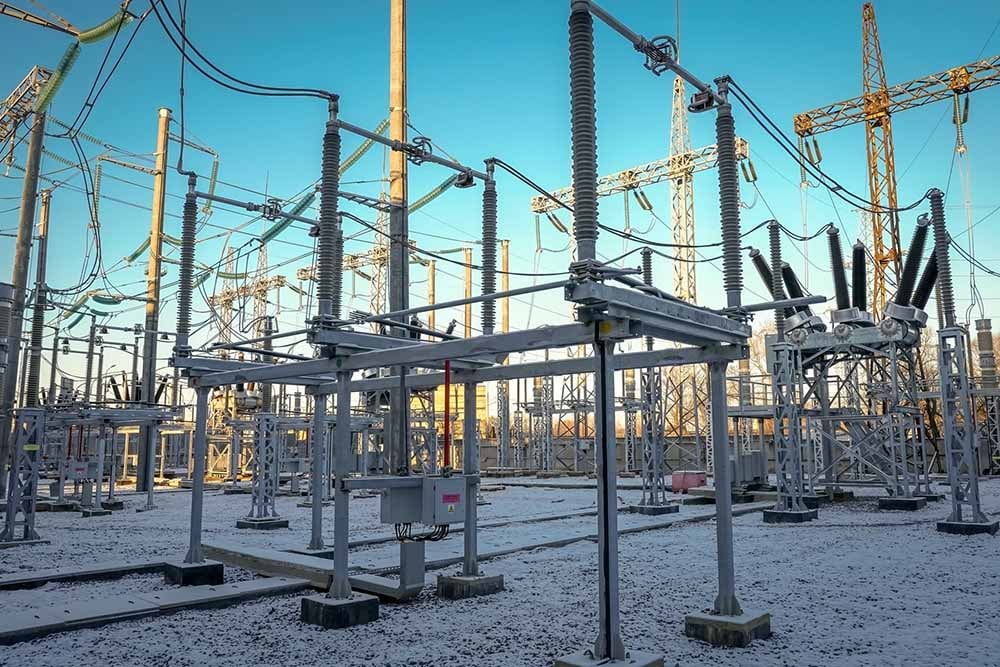
Three Phase Fault Example Figure7: Three phase fault Per unit analysis can be used to calculate system three phase fault levels and the current distributions. To gain a better understanding, it is worth running through the typical steps required to solve a fault calculation problem. Given the system single line diagram, construct and simplify […]
FAULT ANALYSIS IN PER UNIT SYSTEM PART -I

Introduction Per unit fault calculations is a method whereby system impedances and quantities are normalized across different voltage levels to a common base. By removing the impact of varying voltages, the necessary calculations are simplified. To use the per unit method, we normalize all the system impedances (and admittances) within the network under consideration to […]
POWER FACTOR CORRECTION
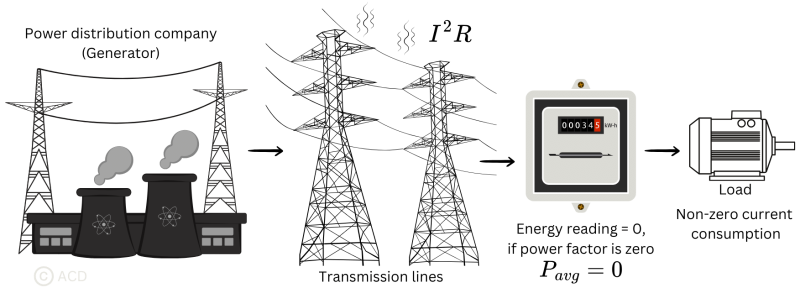
Introduction In general power is the capacity to do work. In Electrical domain, Electrical Power is the amount of electrical energy that can be transferred to some other form (heat, light etc) per unit time. Mathematically it is the product of Voltage drop across the element and current flowing through it. Considering first the DC […]
OVERHEAD LINE CONDUCTOR SIZING CALCULATION PART -II
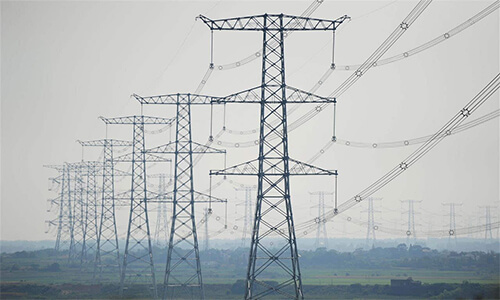
Power carrying Capacity: Approximate economic power transfer capacity trends for different line voltages based on power transfer being proportional to the square of the line voltage are given figure 1(a) and (b) for transmission voltages up to 500KV. In practice, the capacity will be limited over long distances by the conductor natural impedance (voltage regulation) […]
OVERHEAD LINE CONDUCTOR SIZING CALCULATION PART -I
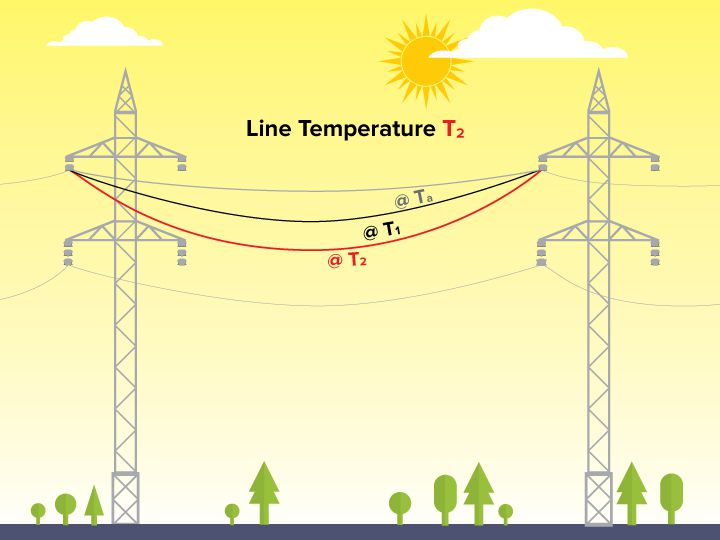
Introduction Overhead lines are, in essence, air-insulated cables suspended from insulated supports with a power transfer capacity approximately proportional to the square of the line voltage. Overhead lines are cheaper in initial capital cost and are generally more economic than cable feeders. For the transmission of equivalent power at 11KV, a cable feeder would cost […]
UNDERGROUND CABLE SIZING AND VOLTAGE DROP CALCULATION PART – II

Short circuit withstand capacity The protective devices like fuses and circuit breakers protecting cable and other electrical equipment against short circuit faults operate after lapse of certain time. Any cable must be able to withstand the maximum expected and calculated short circuit current in its circuit for fault clearing time without exceeding the maximum permissible […]